


How plastics recycling can improve people's living conditions
Plastic pollution of the environment and oceans is a global problem that urgently needs solutions. In the Indian metropolis of Bangalore, for example, about 3,500 tons of waste end up on the roadside or in illegal landfills every day. There is a lack of comprehensive, state disposal.
This is not only a problem for the environment, but also affects the lives of many people. An estimated 15,000 women and men in Bangalore work as so-called waste pickers and collect waste in the mountains of garbage, usually without protective equipment, which they can resell.
With the Fair Recycled Plastic initiative, the Melitta Group has founded a new recycling company in the Indian metropolis. This is not only intended to avoid environmental and marine plastic, but also to help waste pickers and bring about social change.

Plastic pollution is a global threat to our environment. The Melitta Group wants to make a contribution to solving this problem with the Fair Recycled Plastic initiative. Together with Yunus Social Business Fund gGmbH and its subsidiary Cofresco, the recycling company "Vishuddh Recycle Pvt. Ltd." was established in the southern Indian city of Bangalore.
New customer for LDPE
In the plant, employees produce around 2,000 tons of plastic pellets annually from so-called LDPE (Low Density Polyethylene) film waste, which is then fed into the production of garbage bags of our Swirl® and Handy Bag ® brands. LDPE is a soft plastic that is mainly used for bags. So far, there are only a few buyers for this type of plastic in Bangalore. With our company Vishuddh Recycle, a reliable customer for LDPE has entered the market, making collection more lucrative in the long term.
Recycling process and water treatment
For the recycling process, the delivered LDPE is first pre-sorted again, then shredded into film shreds and cleaned and dried in a washing plant. The snippets are then heated and filtered in a regranulation system to remove any remaining residues, such as printing inks. The granules are then ejected and packaged. The used water is recycled according to the circular principle and fed into the washing plant.
How plastics recycling can improve people's living conditions
Plastic pollution of the environment and oceans is a global problem that urgently needs solutions. In the Indian metropolis of Bangalore, for example, about 3,500 tons of waste end up on the roadside or in illegal landfills every day. There is a lack of comprehensive, state disposal.
This is not only a problem for the environment, but also affects the lives of many people. An estimated 15,000 women and men in Bangalore work as so-called waste pickers and collect waste in the mountains of garbage, usually without protective equipment, which they can resell.
With the Fair Recycled Plastic initiative, the Melitta Group has founded a new recycling company in the Indian metropolis. This is not only intended to avoid environmental and marine plastic, but also to help waste pickers and bring about social change.

How plastics recycling can improve people's living conditions
Plastic pollution of the environment and oceans is a global problem that urgently needs solutions. In the Indian metropolis of Bangalore, for example, about 3,500 tons of waste end up on the roadside or in illegal landfills every day. There is a lack of comprehensive, state disposal.
This is not only a problem for the environment, but also affects the lives of many people. An estimated 15,000 women and men in Bangalore work as so-called waste pickers and collect waste in the mountains of garbage, usually without protective equipment, which they can resell.
With the Fair Recycled Plastic initiative, the Melitta Group has founded a new recycling company in the Indian metropolis. This is not only intended to avoid environmental and marine plastic, but also to help waste pickers and bring about social change.
Important addition to our commitment
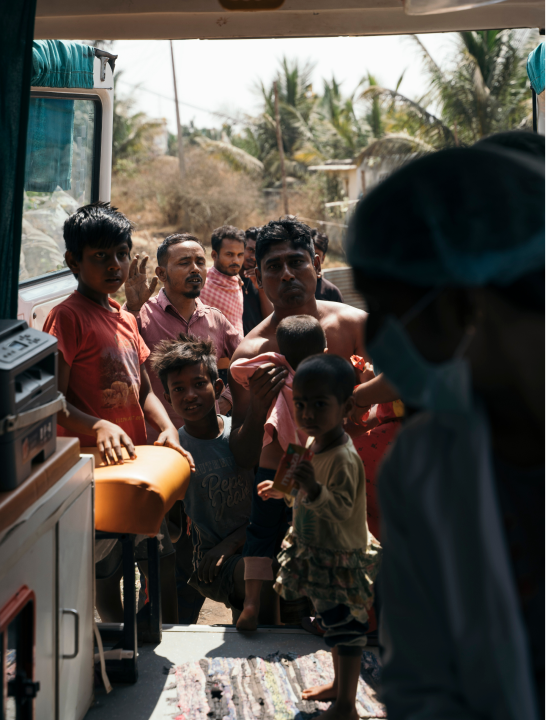
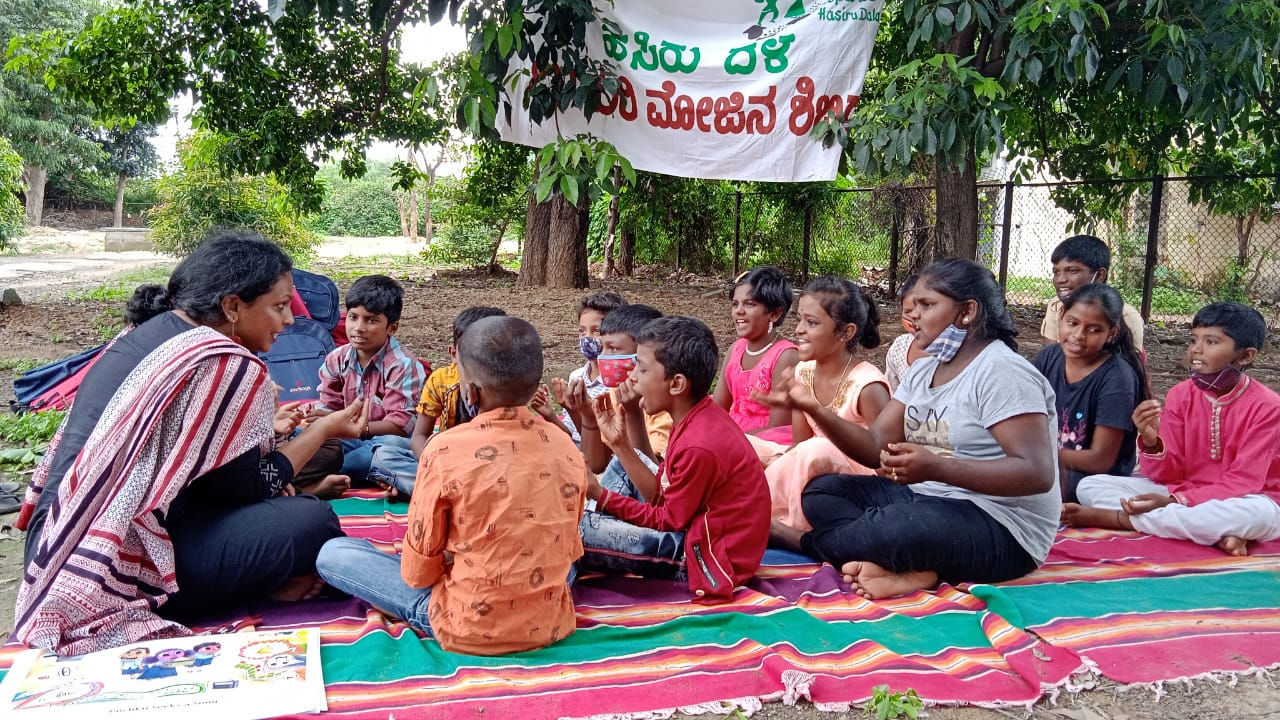
The profits from Fair Recycled Pastic will benefit two non-profit organizations that provide better health care and additional educational opportunities for the waste pickers and their families. Theselection of theorganizations was made together with Yunus Social Business.

How plastics recycling can improve people's living conditions
Plastic pollution of the environment and oceans is a global problem that urgently needs solutions. In the Indian metropolis of Bangalore, for example, about 3,500 tons of waste end up on the roadside or in illegal landfills every day. There is a lack of comprehensive, state disposal.
This is not only a problem for the environment, but also affects the lives of many people. An estimated 15,000 women and men in Bangalore work as so-called waste pickers and collect waste in the mountains of garbage, usually without protective equipment, which they can resell.
With the Fair Recycled Plastic initiative, the Melitta Group has founded a new recycling company in the Indian metropolis. This is not only intended to avoid environmental and marine plastic, but also to help waste pickers and bring about social change.
Social form of economic activity
The recycling company Vishuddh Recycle Pvt. Ltd. is designed as a social business and was established together with the Yunus Social Business Fund gGmbH. A company co-founded by Nobel Prize winner and economist Prof. Muhammad Yunus and the originator of the principle of social business.
Social business is a social form of business in which a business is created that is intended to solve people's problems in the long term. Fair Recycled Plastic pursues this concept by making money by turning waste into a valuable raw material. The profit generated is then reinvested and benefits non-profit organizations in Bangalore.
How plastics recycling can improve people's living conditions
Plastic pollution of the environment and oceans is a global problem that urgently needs solutions. In the Indian metropolis of Bangalore, for example, about 3,500 tons of waste end up on the roadside or in illegal landfills every day. There is a lack of comprehensive, state disposal.
This is not only a problem for the environment, but also affects the lives of many people. An estimated 15,000 women and men in Bangalore work as so-called waste pickers and collect waste in the mountains of garbage, usually without protective equipment, which they can resell.
With the Fair Recycled Plastic initiative, the Melitta Group has founded a new recycling company in the Indian metropolis. This is not only intended to avoid environmental and marine plastic, but also to help waste pickers and bring about social change.
Plastics: It's all about the right handling!
Fair Recycled Plastic aims to avoid marine and microplastics by collecting, processing and reusing plastic waste. Because plastics not only cause problems, but also offer many advantages. For example, they enable better hygiene, can be a very good transport aid and help to extend the shelf life of food. They have properties that other materials do not provide at all or often only with a worse ecological balance. However, it is important to handle plastics correctly. Because if they are disposed of incorrectly, they can harm the environment. However, if they are recycled consistently, plastics are not only harmless to the environment, but also a valuable raw material and useful helper in our everyday lives.